

Neck pain is one of the most common complaints we hear from patients walking through our doors here in Mentor, Ohio. Whether it starts as a dull ache after a long day at the desk or a sharp, nagging tension that won’t let you sleep, neck pain has a way of affecting nearly every part of your daily life. The good news is that you don’t have to simply push through it or rely on pain medications to get relief. Chiropractic care offers a safe, drug-free, and hands-on approach that many people find genuinely helpful — and understanding how it works can make all the difference in taking that first step toward feeling better.
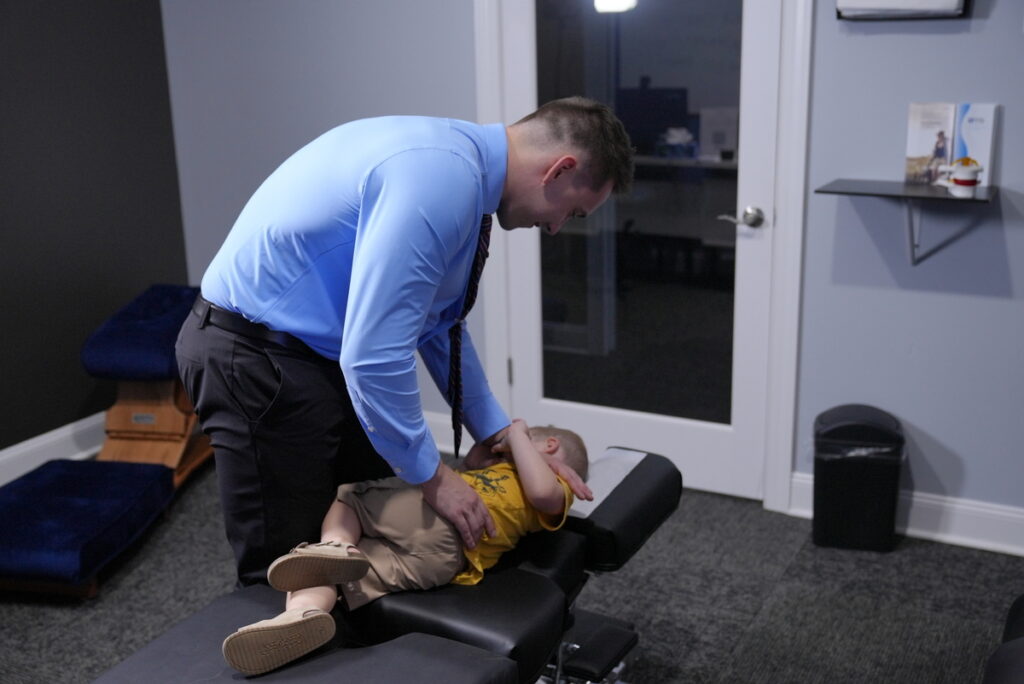
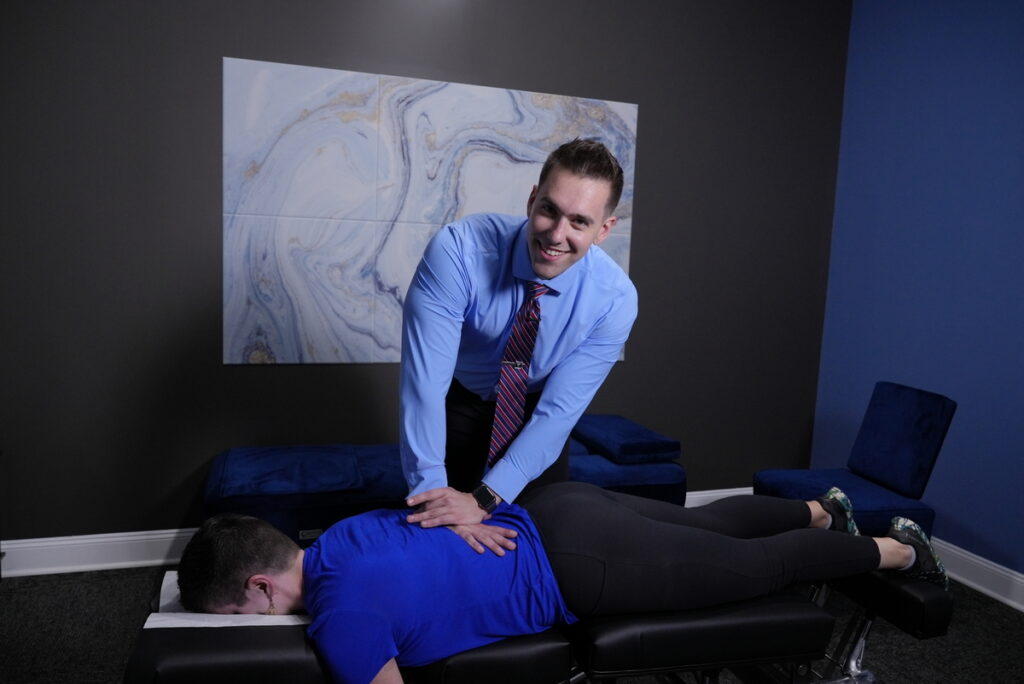
What are chiropractic adjustments for neck pain? Chiropractic adjustments — also called cervical manipulation — involve a trained chiropractor applying gentle, controlled force to the joints of the neck and upper spine. The goal is to improve joint mobility, reduce muscle tension, and help restore normal function to the cervical spine. At Chagrin River Chiropractic, this care is always individualized and delivered with your comfort and safety as the top priority.
Understanding Neck Pain and Why It Happens
The neck — or cervical spine — is one of the most mobile and vulnerable areas of the entire spine. It supports the weight of your head (which averages around 10–12 pounds), allows you to look in nearly every direction, and houses a complex web of nerves, muscles, and joints. With that kind of demand, it’s no surprise that the neck is so prone to pain and stiffness.
Here in Mentor, OH, many patients come in with neck pain that has been building gradually over time. Some of the most common culprits include poor posture — especially from prolonged sitting or looking down at a phone or computer screen — repetitive movements, stress-related muscle tension, auto accidents, and sleeping in an awkward position. In other cases, the underlying issue may involve the joints of the cervical spine becoming restricted or misaligned, a condition chiropractors refer to as a subluxation.
When the joints in your neck aren’t moving properly, surrounding muscles often tighten to compensate. This can create a cycle of stiffness, reduced range of motion, and persistent pain that gets harder to shake over time. Understanding this cycle is the first step in breaking it — and that’s exactly what Dr. C.J. Levand works to help patients accomplish at Chagrin River Chiropractic.

How Chiropractic Adjustments Help with Neck Pain
Chiropractic adjustments are designed to address the root mechanical causes of neck pain rather than simply masking the discomfort. When Dr. C.J. Levand performs a cervical adjustment, the goal is to restore proper joint movement in the cervical spine, which in turn can relieve pressure on surrounding nerves and ease the muscle tension that builds up in response to restricted joints.
Research suggests that spinal manipulation for neck pain is a well-supported conservative care approach. Organizations such as the American College of Physicians (ACP) and the National Center for Complementary and Integrative Health (NCCIH) have acknowledged spinal manipulation as one of the recommended non-pharmacological options for managing musculoskeletal pain. Evidence indicates that chiropractic care can help reduce both pain intensity and duration for many patients dealing with acute and subacute neck pain.
Beyond the mechanical benefits, chiropractic adjustments may also have an effect on the nervous system. When a joint is restricted or under stress, it can create altered signaling in the surrounding nerves. Restoring movement to those joints may help normalize that signaling, which many patients describe as an almost immediate sense of relief and looseness following an adjustment. It’s not magic — it’s biomechanics and neurology working together.
Chiropractic care is also a genuinely drug-free approach. For patients who are cautious about medication use, or who haven’t found lasting relief through over-the-counter pain relievers, chiropractic adjustments offer an alternative that works with your body’s own healing capacity rather than around it.
What to Expect During a Chiropractic Visit
If you’ve never been to a chiropractor before, it’s completely normal to feel a little uncertain about what a visit looks like. At Chagrin River Chiropractic in Mentor, OH, the first appointment always begins with a thorough health history and consultation. Dr. C.J. Levand takes the time to ask detailed questions about your neck pain — when it started, what makes it better or worse, whether it radiates into your shoulders or arms, and what your daily routine looks like.
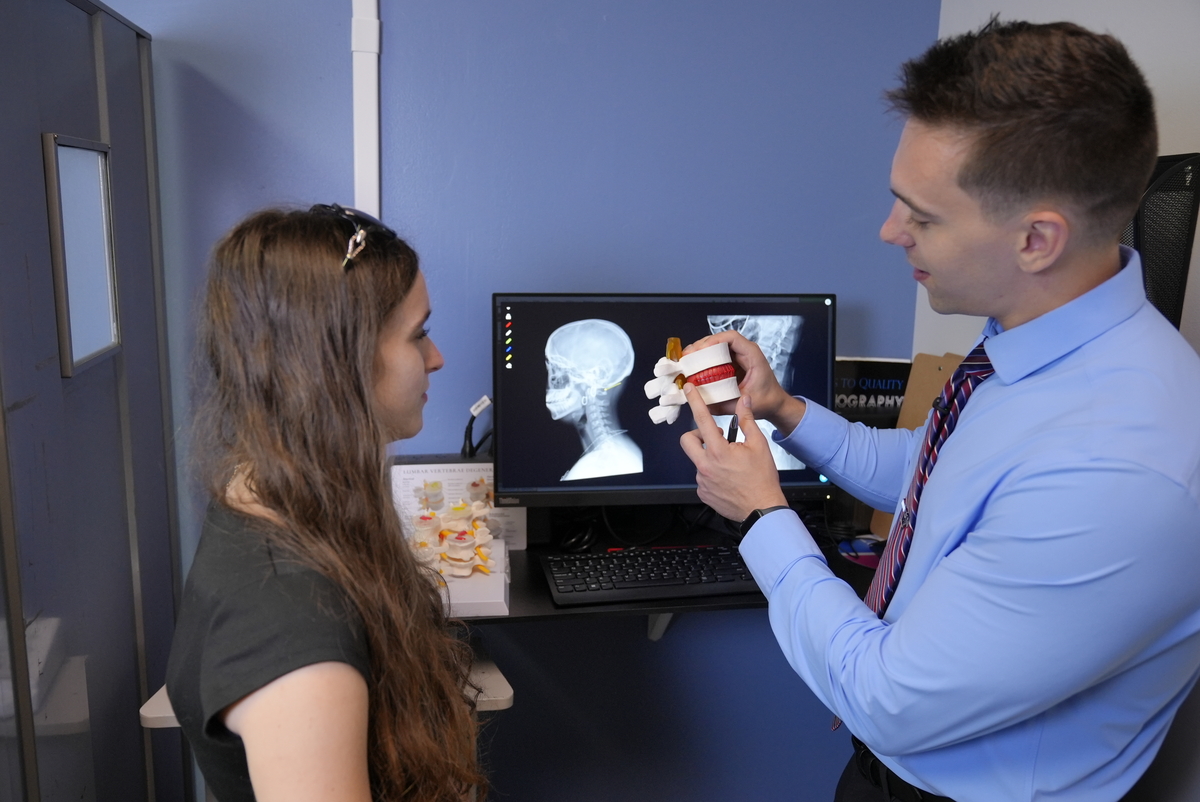
From there, a physical and orthopedic examination of the cervical spine is typically performed. This allows Dr. C.J. Levand to identify which joints are restricted, which muscles are overly tight or tender, and whether there are any signs that your care might need to be modified or that a referral to another provider would be appropriate. X-rays may be taken if clinically indicated.
The actual chiropractic adjustment itself is often much gentler than new patients expect. For the cervical spine, a variety of techniques can be used — from traditional manual manipulation to low-force instrument-assisted methods — depending on what is safest and most comfortable for each individual. Most patients notice at least some change in how their neck feels immediately after or within the first few visits.
How Chiropractic Care Fits Into Your Recovery
One of the things that makes chiropractic care such a valuable tool for neck pain is that it doesn’t exist in a vacuum. At Chagrin River Chiropractic, chiropractic adjustments are often paired with complementary approaches — such as soft tissue therapy, posture correction guidance, and specific rehabilitative exercises — to create a more comprehensive recovery plan.
For patients dealing with neck pain from a recent injury, such as a car accident or sports-related strain, early chiropractic intervention has been shown to help in reducing inflammation and restoring mobility before scar tissue has a chance to set in. For those with longer-standing, chronic neck pain, a more gradual and structured plan is typically recommended — one that focuses on both short-term relief and longer-term resilience.
It’s also worth noting that chiropractic care is designed to be collaborative. If Dr. C.J. Levand determines that your condition would benefit from co-management with your primary care physician, a physical therapist, or another specialist, that conversation will happen openly and honestly. The goal is always your best health outcome, not just another appointment.
Practical Tips for Supporting Neck Health at Home
Chiropractic adjustments do a lot of the heavy lifting when it comes to restoring joint function, but what you do between visits matters just as much. There are several evidence-based habits that can support the work being done in the office and help keep your neck healthier over time.
Posture is perhaps the single biggest factor for most of the neck pain patients we see here in Mentor. When your head is positioned forward of your shoulders — a posture pattern that has become extremely common thanks to smartphones and desk work — every inch of forward displacement adds significant extra load to the cervical spine. Being mindful of keeping your ears aligned over your shoulders when sitting or standing can make a meaningful difference.
Your sleep setup also matters more than most people realize. Sleeping on your back or side with a supportive pillow that keeps your neck in a neutral alignment is far preferable to sleeping on your stomach, which forces your neck into a rotated position for hours at a time. If you wake up with neck stiffness regularly, your pillow may deserve a second look.
Staying active is another key piece of the puzzle. Gentle movement — such as walking, swimming, or yoga — helps keep the muscles and joints of the cervical spine nourished and mobile. Prolonged stillness, whether from sitting too long at a desk or binge-watching television, tends to make neck pain worse over time.
When to See a Chiropractor for Neck Pain
Many people wonder how long they should wait before seeking care for neck pain. As a general rule, if your neck pain has lasted more than a few days without meaningful improvement, or if it is significantly interfering with your daily activities, sleep, or mood, that’s a reasonable point to seek an evaluation. You don’t need to be in severe or debilitating pain to benefit from chiropractic care — in fact, earlier intervention often means a faster and more straightforward recovery.
There are also certain symptoms that should prompt you to seek care promptly or be evaluated by a medical doctor before beginning chiropractic treatment. These include neck pain following a significant trauma (such as a fall or car accident), pain or weakness that radiates down both arms simultaneously, loss of balance or coordination, difficulty with bladder or bowel function, or severe headaches that come on suddenly and differ from your usual pattern. These can be signs of conditions that require urgent medical assessment.
For the vast majority of neck pain presentations, however, chiropractic care is a safe, appropriate, and effective starting point. Dr. C.J. Levand is trained to recognize when a patient’s condition falls within the scope of chiropractic care and when it doesn’t — and that clinical discernment is part of what makes quality chiropractic care so valuable.
Neck Pain Causes and Chiropractic Approaches
|
Common Cause of Neck Pain |
What’s Happening in the Body |
How Chiropractic May Help |
|---|---|---|
|
Poor posture / forward head posture |
Increased load on cervical joints; muscle imbalance and tightness |
Adjustments to restore joint motion; postural correction guidance |
|
Tech neck (phone/computer overuse) |
Sustained flexed neck position causing joint stress and fatigue |
Cervical manipulation; ergonomic recommendations |
|
Whiplash / auto injury |
Rapid acceleration-deceleration causing soft tissue and joint strain |
Gentle mobilization; soft tissue therapy; gradual rehabilitation |
|
Muscle tension from stress |
Chronic muscle tightness in upper traps, neck, and shoulders |
Adjustments to relieve joint restrictions; trigger point work |
|
Cervical joint restriction (subluxation) |
Reduced joint mobility creating local pain and nerve irritation |
Targeted chiropractic adjustments to restore normal movement |
|
Degenerative disc changes (arthritis) |
Gradual wear in cervical discs causing stiffness and discomfort |
Low-force techniques to improve mobility and reduce pain |
Myths vs. Facts About Chiropractic Neck Care
Myth: Chiropractic neck adjustments are dangerous.
Fact: Serious adverse events from cervical chiropractic adjustments are exceedingly rare. The vast majority of patients experience mild, temporary soreness at most. A thorough health history and examination helps identify any contraindications before care begins. Organizations including the WHO have recognized spinal manipulation as a generally safe option when delivered by a trained professional.
Myth: You’ll be dependent on chiropractic care forever once you start.
Fact: Chiropractic care plans are designed with goals and endpoints in mind. Many patients complete a focused course of treatment and are discharged with self-care strategies and the confidence to manage their own health. Some patients do choose periodic maintenance care because it helps them feel and function better — but that is always a personal decision, not a requirement.
Myth: If you’re not in severe pain, chiropractic isn’t necessary.
Fact: Pain is not always a reliable indicator of how well your spine is functioning. Reduced range of motion, recurring stiffness, and nagging tension are all meaningful signs that something may be worth addressing. Chiropractic evaluation can identify underlying joint restrictions even when pain levels seem manageable.
Myth: Chiropractic only provides temporary relief for neck pain.
Fact: While some patients do need ongoing care, many experience lasting improvement after completing a structured chiropractic plan. Evidence indicates that combining chiropractic adjustments with lifestyle modifications — posture habits, exercise, and ergonomic changes — can lead to more durable, long-term results.
Myth: Neck cracking and chiropractic adjustments are the same thing.
Fact: Self-manipulating your own neck by cracking it is quite different from a targeted chiropractic adjustment. A trained chiropractor uses precise, controlled force at specific joint levels based on a clinical examination. Self-manipulation, on the other hand, is unfocused and can potentially reinforce joint hypermobility over time rather than correcting restricted segments.
Final Thoughts from Chagrin River Chiropractic
Neck pain doesn’t have to be a permanent part of your life. Whether you’re dealing with something that came on suddenly or a tension that has been building for years, there are real, evidence-based options available to you — and chiropractic care is one of the most accessible and effective places to start.
Here at Chagrin River Chiropractic in Mentor, OH, Dr. C.J. Levand is dedicated to helping members of our community understand their bodies, find relief from pain, and build the kind of spinal health that supports an active and fulfilling life. Every patient who walks in is treated as an individual — with a unique history, unique goals, and a care plan designed specifically around them.
If you’ve been living with neck pain and wondering whether chiropractic adjustments might help, the best next step is simply to come in for a conversation and an evaluation. You deserve to feel well, and we’re here to help you get there.
Frequently Asked Questions
How many chiropractic visits does it take to see improvement in neck pain?
This varies widely depending on the severity and duration of your neck pain. Many patients notice some improvement within the first few visits, while more chronic or complex cases may require a longer course of care. Dr. C.J. Levand will give you a realistic picture of what to expect based on your individual examination findings.
Are chiropractic adjustments for neck pain painful?
Most patients find cervical chiropractic adjustments to be comfortable, and many feel immediate relief following their first treatment. Some people experience mild, temporary soreness in the treated area — similar to how muscles can feel after exercise — but this typically resolves within a day or two.
Can chiropractic care help with headaches related to neck pain?
Yes, many headaches — particularly tension-type and cervicogenic headaches — are closely linked to muscle tension and restricted joints in the cervical spine. Evidence indicates that chiropractic adjustments can be helpful in reducing the frequency and intensity of these types of headaches. Dr. C.J. Levand will evaluate whether your headaches appear to be related to your cervical spine during your examination.
Is chiropractic care safe if I have arthritis in my neck?
In many cases, yes. Chiropractors are trained to modify their techniques based on each patient’s condition, and low-force approaches are often well-suited for individuals with degenerative changes in the cervical spine. A thorough examination and review of imaging helps guide the safest and most appropriate care approach.
Can I see a chiropractor for neck pain if I’ve had a previous neck surgery?
This depends on the type and extent of the surgery, as well as how much time has passed since the procedure. Chiropractic care may still be appropriate in some post-surgical cases, though the approach would typically be modified significantly. It’s important to share your complete surgical history with Dr. C.J. Levand so that the safest possible care plan can be developed.
Does Chagrin River Chiropractic treat neck pain from car accidents?
Yes. Whiplash and other cervical injuries resulting from auto accidents are among the conditions commonly treated at Chagrin River Chiropractic in Mentor, OH. Early evaluation and treatment following an accident is particularly important, as prompt care can help reduce inflammation and prevent chronic issues from developing.
TL;DR
-
Neck pain is extremely common and often stems from poor posture, joint restrictions, muscle tension, or injury — all of which chiropractic care is well-positioned to address.
-
Chiropractic adjustments work by restoring proper movement to restricted cervical joints, easing nerve irritation, and reducing compensatory muscle tension.
-
Evidence from organizations like the ACP and NCCIH supports spinal manipulation as a recommended non-pharmacological approach for musculoskeletal neck pain.
-
At Chagrin River Chiropractic in Mentor, OH, Dr. C.J. Levand provides individualized care plans that go beyond adjustments to include posture guidance, home care strategies, and collaborative management when needed.
-
If your neck pain has lasted more than a few days, is affecting your sleep or daily activities, or keeps coming back, it’s worth scheduling an evaluation to find out what’s really going on.