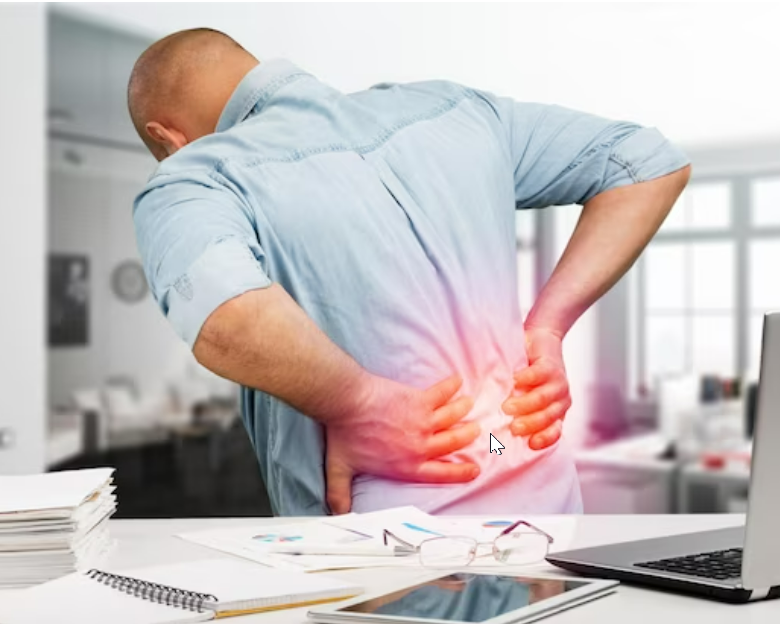
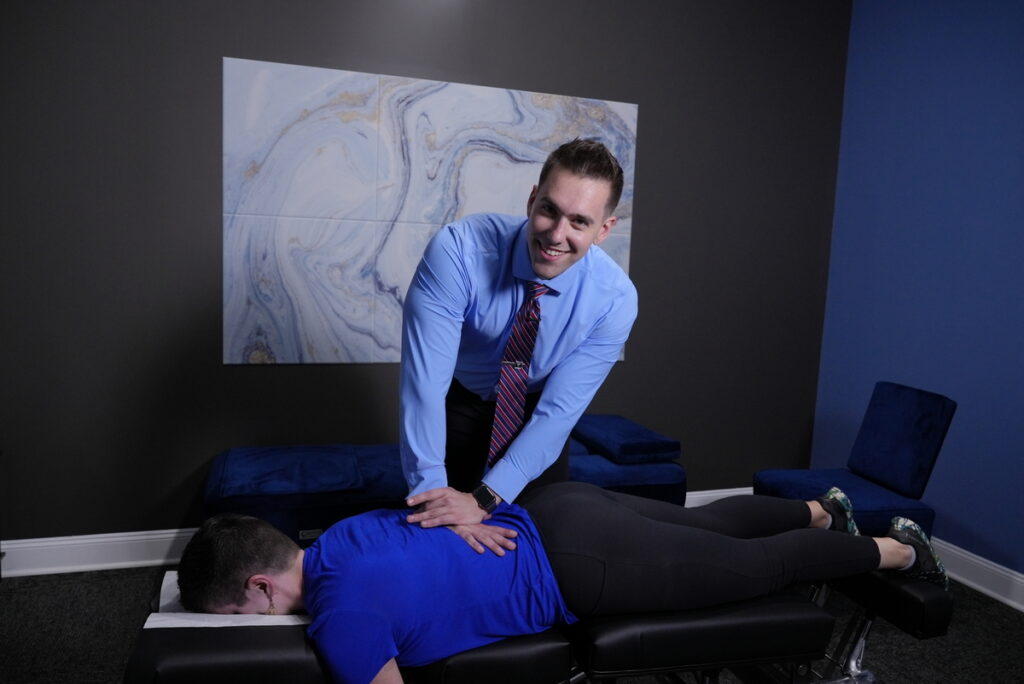

Sciatica is one of those conditions that can genuinely stop you in your tracks. One moment you’re going about your normal day, and the next, a sharp, burning pain is shooting down your leg, making it hard to sit, stand, or even sleep comfortably. If you’ve been dealing with this kind of pain, you’re not alone — sciatica is one of the most common complaints we see here at Chagrin River Chiropractic in Mentor, OH. The good news is that it’s also one of the conditions where chiropractic care can make a meaningful difference. This article is here to help you understand what sciatica actually is, what causes it, and what you can expect when you seek chiropractic treatment for it.
What Is Sciatica?
Sciatica refers to pain that travels along the path of the sciatic nerve — the longest nerve in the human body. It originates in the lower back, branches through the hips and buttocks, and runs down each leg. When this nerve becomes irritated or compressed, it can cause pain, numbness, tingling, or weakness anywhere along its path. Sciatica is typically a symptom of an underlying spinal issue, not a diagnosis on its own.
What Causes Sciatica?
Understanding what’s causing your sciatica is the first step toward getting the right kind of help. The sciatic nerve can become irritated or compressed for several different reasons, and the cause often influences how care is approached. Here in Mentor, OH, Dr. C.J. Levand regularly evaluates patients to identify the specific underlying driver of their sciatica before recommending any treatment plan.
The most common cause is a herniated or bulging disc in the lumbar spine. The discs in your lower back act as cushions between the vertebrae. When one of these discs shifts out of position or its outer layer develops a tear, the soft inner material can press against nearby nerve roots — including those that form the sciatic nerve. This pressure is what generates that recognizable shooting pain down the leg.
Another frequent cause is spinal stenosis, which is a narrowing of the spinal canal. As the canal narrows — often due to aging-related changes in the spine — it can place pressure on the sciatic nerve roots. Piriformis syndrome is another contributor that often gets overlooked. The piriformis is a small muscle deep in the buttock, and when it becomes tight or spasms, it can compress the sciatic nerve directly. Bone spurs, joint inflammation, and even prolonged sitting can also irritate this important nerve over time.
Recognizing the Symptoms of Sciatica
Sciatica has a fairly recognizable set of symptoms, though the experience can vary quite a bit from person to person. The hallmark symptom is pain that radiates from the lower back through the buttock and down one leg — sometimes all the way to the foot. This pain can feel like a sharp jolt, a dull ache, a burning sensation, or even an electric shock. It most commonly affects only one side of the body.
In addition to pain, many people experience numbness or a “pins and needles” tingling sensation in the leg or foot. Some notice muscle weakness in the affected leg, which can make walking or lifting the foot feel difficult. Sitting for long periods — like a long drive or extended desk work — tends to aggravate the symptoms significantly. Sneezing or coughing can sometimes send a sharp flare of pain shooting down the leg as well.
Not all lower back pain with leg involvement is sciatica, which is why getting a proper evaluation matters so much. Conditions like hip problems or referred pain from other spinal structures can mimic sciatica-like symptoms. At Chagrin River Chiropractic, Dr. C.J. Levand conducts a thorough assessment to distinguish true sciatic nerve involvement from other conditions so that care is targeted and effective.
How Chiropractic Care Helps with Sciatica
Chiropractic care is widely recognized as a non-invasive, drug-free approach to managing musculoskeletal conditions, including sciatica. The American College of Physicians (ACP) and other major health organizations have recommended spinal manipulation as part of first-line conservative care for lower back pain. Research suggests that chiropractic treatment can help reduce pain intensity, improve function, and support the body’s natural healing process — without the risks that come with surgery or long-term medication use.
The primary tool in chiropractic care is spinal manipulation, often called a “chiropractic adjustment.” This involves applying controlled, precise force to specific joints in the spine to improve alignment, reduce nerve irritation, and restore better movement. When the spine is moving more freely and the pressure on irritated nerve roots is reduced, many patients notice a meaningful improvement in their sciatic symptoms. It’s important to understand that this is a gradual process — healing takes time, and results vary depending on the severity and duration of the condition.
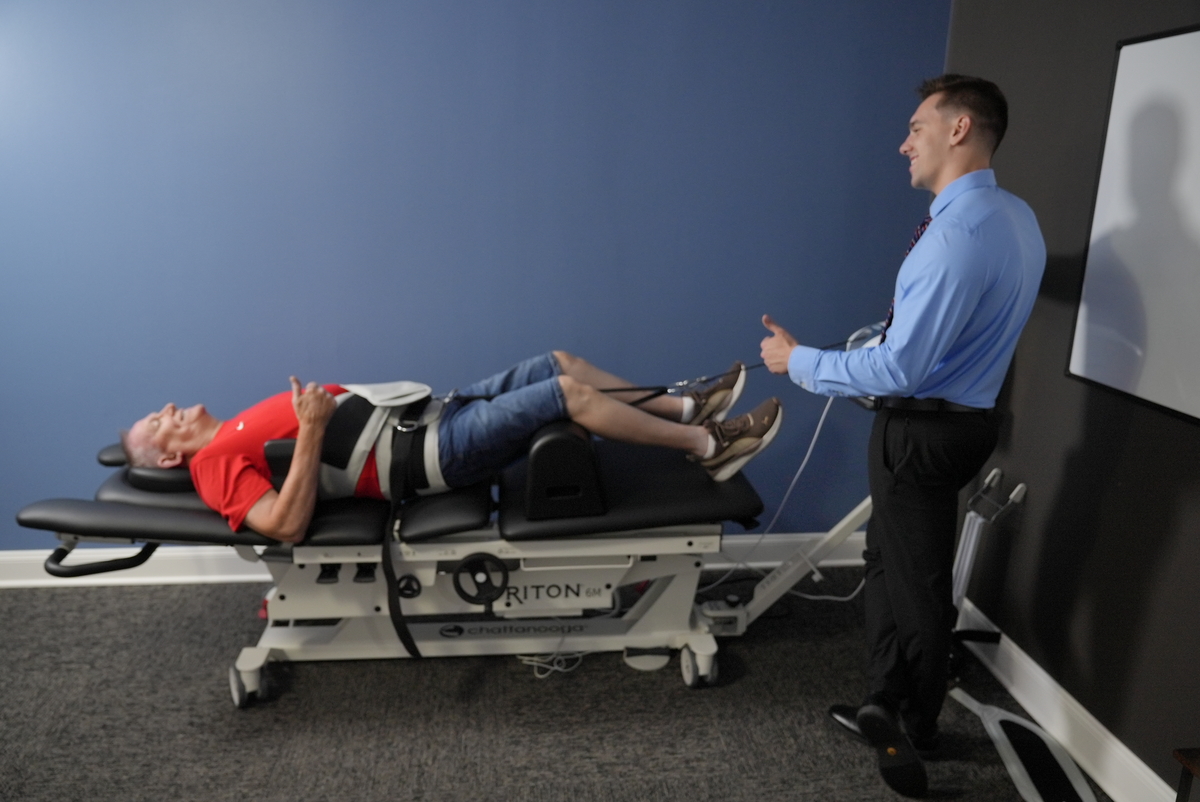
In addition to spinal adjustments, chiropractors may use a variety of complementary techniques depending on what the assessment reveals. These can include soft tissue therapy to address tight muscles like the piriformis, therapeutic stretching and exercise guidance to support the spine, and postural education to address habits that may be contributing to nerve irritation. The goal is always to identify and address the root cause rather than simply managing symptoms.
What to Expect at Chagrin River Chiropractic
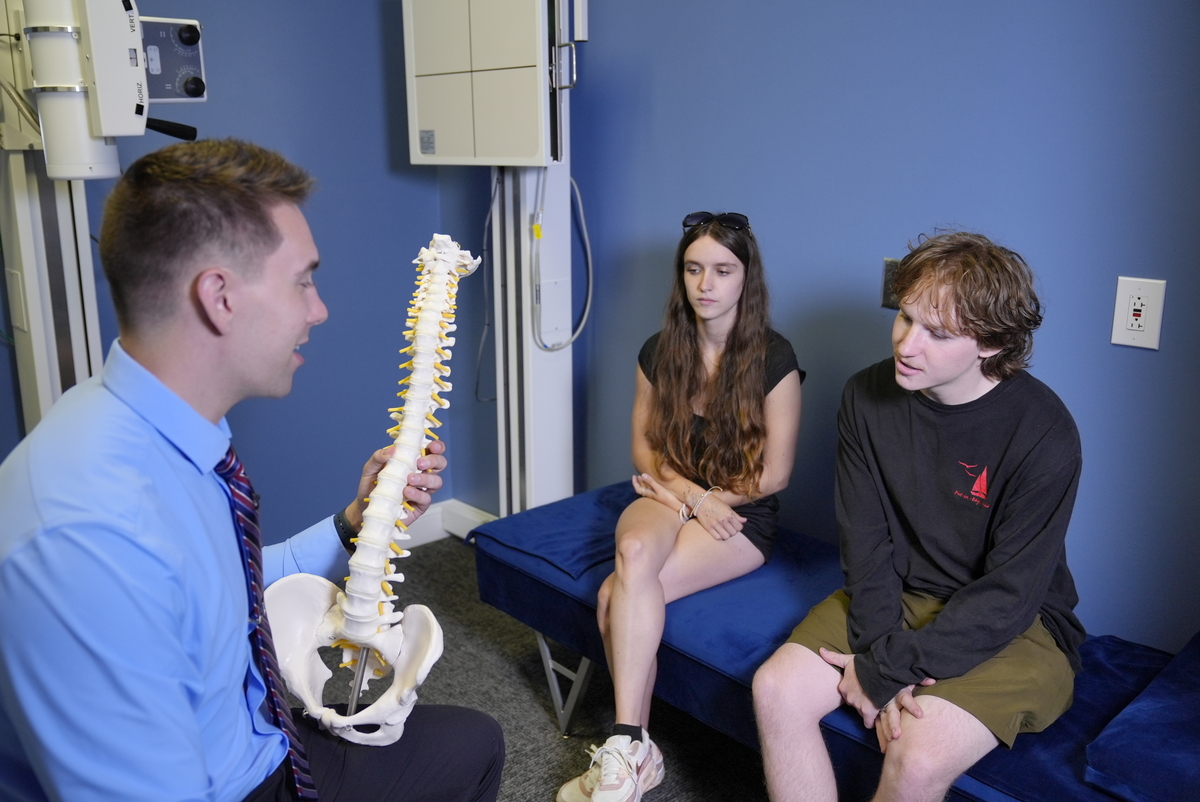
If you’re considering chiropractic care for sciatica in Mentor, OH, you might be wondering what your first visit will actually look like. At Chagrin River Chiropractic, the process begins with a comprehensive intake and evaluation. Dr. C.J. Levand will take the time to listen to your history, understand how your pain started, and ask about how it’s affecting your daily life. This conversation matters — the details you share help build a clearer picture of what’s happening.
Following the history, a physical and neurological assessment is performed. This may include evaluating your posture, range of motion, reflexes, and muscle strength. Orthopedic tests help identify whether the sciatic nerve is truly involved and help narrow down the likely source of compression or irritation. If X-rays or other imaging are needed to get a better view of your spinal structures, that need will be discussed openly with you.
From there, Dr. C.J. Levand develops an individualized care plan tailored to your specific presentation. This plan will outline the recommended type of care, the frequency of visits, and what progress milestones to look for along the way. Care plans are always personalized — there is no one-size-fits-all approach to sciatica because no two cases are exactly the same. Patients at Chagrin River Chiropractic are encouraged to ask questions and actively participate in their own recovery.
Practical Tips for Managing Sciatica at Home
Chiropractic adjustments are a core part of recovering from sciatica, but what you do between visits matters too. Staying gently active is often more helpful than complete bed rest. While it’s tempting to avoid all movement when pain is present, prolonged inactivity can actually increase stiffness and slow recovery. Short, gentle walks and light movement throughout the day are generally encouraged.
Paying attention to how you sit is especially important. Sitting with poor posture or on surfaces that don’t support the natural curve of your lower back can significantly increase pressure on the sciatic nerve. Using a supportive chair, keeping your feet flat on the floor, and taking regular breaks to stand and move can make a real difference. If you spend a lot of time driving, lumbar support cushions are worth considering.
Applying ice or heat can provide temporary relief, though their use should be guided by your chiropractor’s recommendation based on your specific situation. Sleeping with a pillow between your knees when lying on your side can help reduce stress on the lower back and hips overnight. And while it may sound simple, staying well hydrated and maintaining a healthy body weight both contribute to spinal disc health over the long term.
When to See a Chiropractor for Sciatica
Many people try to push through sciatic pain, hoping it will resolve on its own. Mild, occasional sciatica sometimes does improve with rest and time. However, if your symptoms have been present for more than a few weeks, are worsening, or are significantly interfering with your ability to work, sleep, or perform daily activities, it’s a good time to seek professional evaluation.
Chiropractic care is most appropriate when sciatica is related to spinal alignment, disc issues, or musculoskeletal tension — all of which are within the scope of conservative chiropractic management. Dr. C.J. Levand and the team at Chagrin River Chiropractic in Mentor, OH are experienced in evaluating these presentations and can help determine whether chiropractic is the right fit for your situation.
There are, however, certain red flags that warrant immediate medical attention rather than chiropractic care as a first step. These include loss of bladder or bowel control, sudden severe weakness in both legs, sciatica following a serious trauma or fall, or unexplained fever accompanying back pain. These symptoms may indicate a more serious underlying condition that requires urgent medical evaluation. A good chiropractor will always recognize these signs and refer you appropriately when needed.
|
Situation |
Recommended Action |
|---|---|
|
Mild sciatica, less than 2 weeks |
Rest, gentle movement, monitor symptoms |
|
Sciatica lasting more than 2-3 weeks |
Schedule evaluation with a chiropractor |
|
Pain worsening despite home care |
Seek chiropractic assessment promptly |
|
Numbness, tingling, or leg weakness |
Chiropractic evaluation with neurological screening |
|
Loss of bladder or bowel control |
Seek emergency medical attention immediately |
|
Sciatica following trauma or fall |
Medical evaluation before beginning any care |
Myths vs. Facts About Sciatica and Chiropractic Care
Myth: Sciatica Always Requires Surgery
Fact: The vast majority of sciatica cases resolve with conservative, non-surgical care. Surgery is typically considered only when conservative treatments — including chiropractic, physical therapy, and pain management — have been tried over an extended period without sufficient improvement, or when there is a serious neurological compromise that requires urgent intervention. Many patients in Mentor, OH have found significant relief through chiropractic care alone.
Myth: Chiropractic Adjustments Are Dangerous for Sciatica
Fact: When performed by a licensed, trained chiropractor following a thorough evaluation, spinal adjustments are generally considered safe for most people with sciatica. Dr. C.J. Levand takes a careful, individualized approach to care — no treatment is applied without a proper assessment first. Techniques are always adapted based on the patient’s specific condition, comfort level, and health history.
Myth: Bed Rest Is the Best Treatment for Sciatica
Fact: Extended bed rest is not recommended for most sciatica cases. Evidence suggests that prolonged inactivity can worsen stiffness, delay recovery, and even increase pain sensitivity over time. Gentle, guided movement and activity — supported by professional care — tends to produce better outcomes than rest alone.
Myth: Sciatica Will Go Away on Its Own, So There’s No Point Seeking Care
Fact: While some mild cases of sciatica do improve without treatment, recurring or chronic sciatica often stems from an underlying structural issue that doesn’t self-correct. Without addressing the root cause, many people experience repeated flare-ups over time. Chiropractic care aims to identify and address the source of nerve irritation — not just mask the pain temporarily.
Myth: Chiropractic Care Only Helps in the Short Term
Fact: Chiropractic care, particularly when combined with patient education, home exercises, and posture habits, can have lasting benefits. The goal at Chagrin River Chiropractic isn’t just to get you through the current flare — it’s to help you understand your spine, build better movement habits, and reduce the risk of future episodes.
Final Thoughts from Chagrin River Chiropractic in Mentor, OH
Sciatica can be an incredibly disruptive experience, but it doesn’t have to define your daily life. Understanding what’s happening in your body, getting a proper evaluation, and following a personalized care plan can make a genuine difference in how you feel and how you function. Here at Chagrin River Chiropractic, Dr. C.J. Levand is committed to helping the Mentor, OH community navigate conditions like sciatica with compassion, thoroughness, and evidence-informed care.
You deserve to feel supported through this process — not rushed, not overwhelmed, and never made to feel like just another appointment on a busy schedule. Whether you’ve been struggling with sciatic pain for years or you’re dealing with your first significant flare-up, reaching out for professional evaluation is a smart, proactive step. The team at Chagrin River Chiropractic is here to help you understand your options and move forward with confidence.
Frequently Asked Questions About Sciatica and Chiropractic Care
How many chiropractic visits does it take to see improvement in sciatica?
This varies considerably depending on how long the condition has been present, the underlying cause, and the individual’s overall health. Some patients notice improvement within a few visits, while others with more chronic or complex presentations may require a longer course of care. Dr. C.J. Levand will set realistic expectations during your initial evaluation and monitor your progress throughout.
Is chiropractic care safe if I have a herniated disc?
In many cases, yes — chiropractic care can be appropriate for herniated discs and is commonly used as a conservative first-line approach. However, the type of techniques used will depend on the severity of the herniation and how the nerve is being affected. A thorough assessment is always conducted before any adjustments are performed to ensure safety and appropriateness.
Can sciatica come back after chiropractic treatment?
It’s possible, particularly if the underlying structural or lifestyle factors that contributed to it aren’t addressed. That’s why chiropractic care at Chagrin River Chiropractic goes beyond adjustments — patient education about posture, movement habits, and core support plays an important role in reducing the likelihood of recurrence.
Should I apply ice or heat to my lower back for sciatica pain?
Both can offer temporary comfort, and the right choice often depends on the stage of your condition. Ice tends to be helpful in the acute phase to manage inflammation, while heat can be more useful for muscle tension and chronic tightness. Your chiropractor can give you personalized guidance based on your specific presentation.
Can I continue exercising with sciatica?
In most cases, staying gently active is encouraged. High-impact activities that jar the spine should generally be avoided during a flare, but walking, gentle stretching, and low-impact movement are often beneficial. Your care plan at Chagrin River Chiropractic may include specific exercise recommendations tailored to your condition.
Is sciatica during pregnancy treatable with chiropractic care?
Sciatica is fairly common during pregnancy due to changes in posture and added pressure on the lower spine and pelvis. Chiropractic care can be appropriate during pregnancy when performed by a chiropractor with experience in prenatal care. A thorough discussion of your health history and pregnancy stage is always conducted before any care begins.
TL;DR — Key Takeaways
-
Sciatica is pain caused by irritation or compression of the sciatic nerve, often stemming from disc issues, spinal alignment problems, or tight muscles in the lower back and hip area.
-
Chiropractic care offers a non-invasive, drug-free approach to sciatica management by addressing spinal alignment, reducing nerve pressure, and supporting the body’s natural healing process.
-
At Chagrin River Chiropractic in Mentor, OH, Dr. C.J. Levand conducts thorough evaluations to build individualized care plans — no two sciatica cases are treated the same way.
-
Managing sciatica well involves more than just adjustments — posture habits, home care, and staying gently active all play an important supporting role.
-
Certain red flags, like loss of bladder or bowel control, require immediate medical attention rather than chiropractic care as an initial step.