
Back pain is one of the most common reasons people seek medical care — and yet, it remains one of the most misunderstood conditions out there. If you’ve ever woken up with a stiff, aching back, felt a sudden sharp pain bending over to pick something up, or lived with a dull, nagging ache that never quite goes away, you’re far from alone. Here in Mentor, OH, Dr. C.J. Levand and the team at Chagrin River Chiropractic see patients with back pain every single day. And one of the most important things we’ve learned is this: not all back pain is the same. Understanding what type of back pain you have is the first step toward finding real, lasting relief.
What Is Back Pain, Exactly?
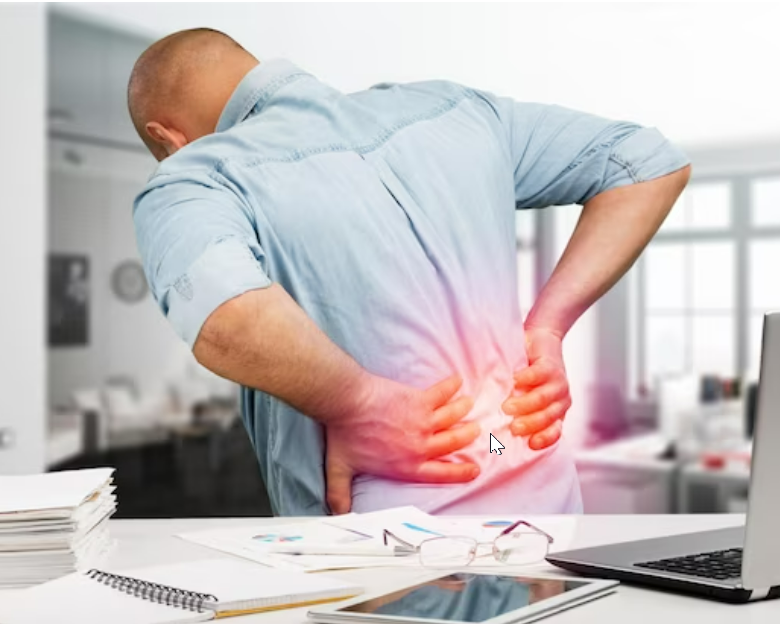
Back pain is any discomfort, soreness, stiffness, or sharp sensation that originates in the structures of the spine, surrounding muscles, ligaments, or nerves. It can range from a mild, manageable ache to a debilitating condition that affects every aspect of daily life. Back pain can occur in the upper back, middle back, or lower back — and its location, character, and underlying cause can vary dramatically from person to person.
1. Muscle Strain and Soft Tissue Back Pain
Muscle strain is probably the most common type of back pain — and it’s often the type people try to “walk off” or ignore until it becomes something more serious. This kind of pain occurs when the muscles, tendons, or ligaments supporting your spine are overstretched, torn, or placed under sudden or repetitive stress. The result is inflammation, stiffness, and that deep, achy soreness that makes it hard to stand up straight in the morning.
Common triggers include lifting something heavy with poor form, twisting suddenly, sleeping in an awkward position, or even sitting hunched over a desk for hours on end. Athletes and weekend warriors are especially familiar with this type of pain, but it doesn’t discriminate — anyone can experience it at any age. Here in Mentor, OH, Dr. C.J. Levand frequently works with patients who’ve strained their back doing yard work, moving furniture, or performing repetitive tasks at their jobs.
What makes muscle strain tricky is that it can mimic other, more serious conditions. The pain is usually localized — meaning it stays in one general area — and tends to feel worse with certain movements and better with rest. Most acute muscle strain resolves within a few weeks with proper care, but recurring strains often signal an underlying biomechanical issue that deserves a closer look.
2. Disc-Related Back Pain
Between each vertebra in your spine sits a small, cushion-like structure called an intervertebral disc. These discs act as shock absorbers, giving your spine the flexibility to bend, twist, and bear load throughout the day. When a disc becomes damaged — through injury, degeneration, or cumulative stress — it can cause a very specific and often intense type of back pain.
The most well-known disc problem is a herniated disc, sometimes called a “slipped disc” or “bulging disc.” This happens when the soft inner material of the disc pushes outward through a crack in the tougher outer layer. Depending on the location of the herniation, this can cause localized back pain, or it can press on nearby nerves and create symptoms that radiate down the legs (which we’ll cover in the next section).
Disc-related pain tends to feel different from muscle strain. It’s often described as a deep, intense ache that may be worsened by sitting, bending forward, coughing, or sneezing. You might also notice that standing or walking actually feels better than sitting. Disc degeneration — the gradual wearing down of disc tissue over time — is also extremely common, particularly in adults over 40, and can contribute to chronic, low-grade back pain that gradually worsens. Evidence from conservative care research suggests that non-surgical approaches, including chiropractic care, can be an effective first-line option for managing disc-related pain.
3. Nerve-Related Back Pain (Radiculopathy)
When back pain travels — shooting down through the buttocks, thigh, calf, or foot — it’s often a sign that a nerve is involved. This is known as radiculopathy, and it occurs when a spinal nerve is compressed, irritated, or inflamed. The most recognizable form is sciatica, which involves irritation of the sciatic nerve, the largest nerve in the body.
Sciatica typically causes a sharp, burning, or electric-shock-like pain that travels from the lower back or buttock down one leg. Some people also experience numbness, tingling, or weakness in the affected leg or foot. The pain can range from occasional and annoying to constant and debilitating, and it’s often worse when sitting for long periods.
Nerve-related back pain can stem from a herniated disc pressing on a nerve root, bone spurs narrowing the spinal canal (a condition called spinal stenosis), or even tight muscles compressing the sciatic nerve as it passes through the hip region (known as piriformis syndrome). Proper diagnosis is essential here — because identifying the exact source of nerve compression determines the most appropriate course of care. At Chagrin River Chiropractic, Dr. C.J. Levand takes a thorough approach to evaluating radiating pain to make sure patients receive care that actually addresses the root cause.
4. Facet Joint and Arthritis-Related Back Pain
Your spine is made up of many individual bones called vertebrae, and each vertebra connects to its neighbors through small joints called facet joints. These joints guide and limit the motion of the spine, much like hinges on a door. Over time — or following injury — these joints can become inflamed, worn down, or arthritic, leading to a distinct type of back pain that deserves its own category.
Facet joint pain is typically felt as a dull, achy discomfort that’s centralized in the spine itself, rather than the surrounding muscles. It often worsens with backward bending or rotation and may be accompanied by stiffness, especially in the morning or after sitting for extended periods. Many patients describe the sensation as a “deep bone ache” that is difficult to stretch out or relieve on their own.
Osteoarthritis of the spine — sometimes called spondylosis — is closely related to facet joint degeneration and becomes more common as we age. The cartilage that cushions the facet joints gradually breaks down, sometimes leading to bone-on-bone contact, inflammation, and even bone spur formation. While arthritis in the spine sounds alarming, it’s important to know that many people with visible degeneration on imaging scans live with minimal pain — and conservative care options can be very effective at managing symptoms and improving quality of life.
5. Postural and Mechanical Back Pain
This is the type of back pain that has become almost epidemic in our modern, screen-heavy world. Postural and mechanical back pain develops when the body is held in sustained, abnormal positions — often for hours at a time — creating imbalances in the muscles, joints, and connective tissues that support the spine. It’s the ache that develops after a long day at a desk, a long drive, or even after binge-watching television on a couch that doesn’t support your spine properly.
Unlike a sudden injury, postural back pain builds gradually. Poor posture places unequal stress on the vertebrae, discs, and supporting tissues. Over time, some muscles become tight and overworked while others weaken and underperform — a pattern chiropractors refer to as muscle imbalance. The result is a spine that has lost its natural alignment and resilience, making it far more vulnerable to pain and injury.
Common postural contributors include forward head posture, rounded shoulders, excessive lumbar curvature (hyperlordosis), or a flattened lower back (hypolordosis). Prolonged sitting is a major culprit — research published through organizations like the National Institutes of Health has highlighted the connection between sedentary behavior and musculoskeletal pain. The good news is that postural and mechanical back pain is highly responsive to chiropractic adjustments, targeted exercises, and ergonomic modifications. Many patients at Chagrin River Chiropractic in Mentor, OH are surprised at how much better they feel after addressing these fundamental movement and posture patterns.

How Chiropractic Care Fits In
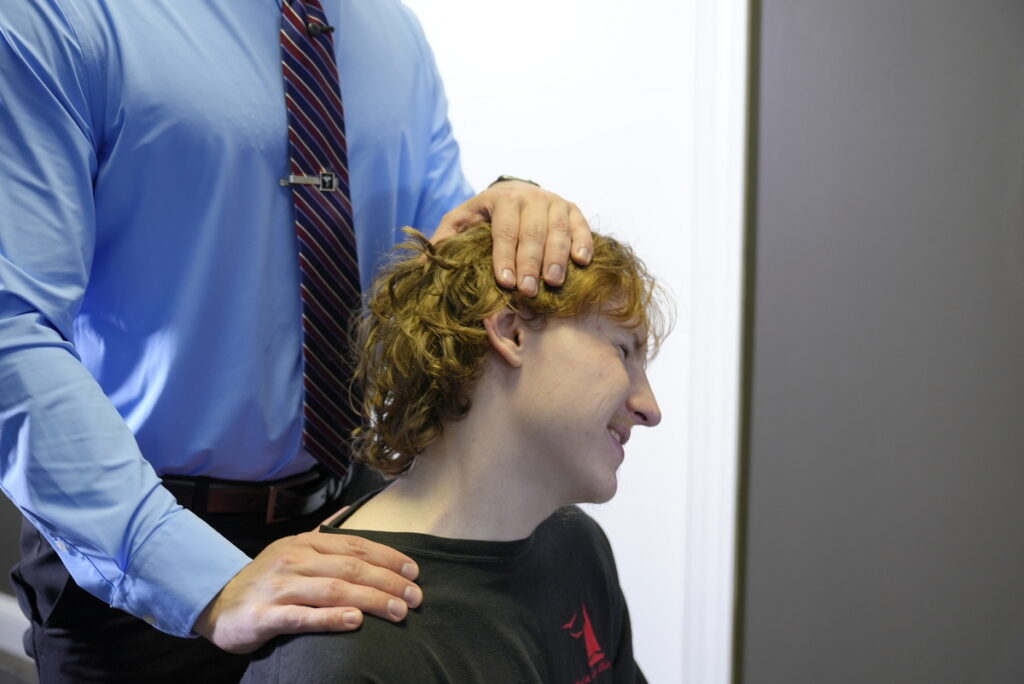
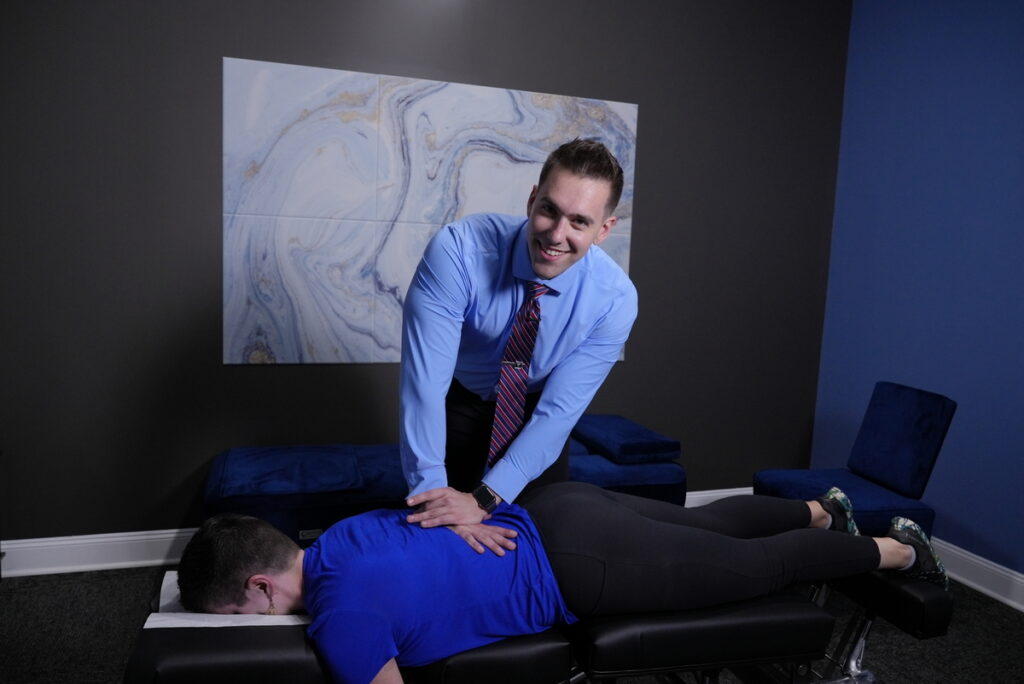
Chiropractic care is a non-invasive, drug-free approach to diagnosing and treating musculoskeletal conditions — including all five types of back pain described above. The cornerstone of chiropractic treatment is the spinal adjustment (also called spinal manipulation), which involves applying a precise, controlled force to a specific joint in the spine to restore proper motion, reduce nerve irritation, and support the body’s natural healing process.
But chiropractic care goes well beyond adjustments. At Chagrin River Chiropractic, Dr. C.J. Levand takes a comprehensive approach that may also include soft tissue therapies, rehabilitative stretches and strengthening exercises, ergonomic counseling, and lifestyle recommendations. The goal is not simply to reduce your pain in the short term — it’s to understand why your pain developed in the first place and address those underlying factors so it’s less likely to return.
Guidelines from organizations like the American College of Physicians and the National Center for Complementary and Integrative Health recommend spinal manipulation as a first-line, conservative care option for low back pain before more invasive interventions are considered. For patients with disc-related pain, nerve pain, facet joint issues, or postural problems, chiropractic care can be an important part of a well-rounded, evidence-informed treatment plan.
Practical Tips to Protect Your Back
Prevention is always the best medicine. Regardless of which type of back pain you may be experiencing — or hoping to avoid — there are several evidence-based habits that support spinal health and reduce your risk of pain.
Move regularly throughout the day. Prolonged sitting places significant pressure on the lumbar discs and weakens the postural muscles. Try to stand, stretch, or take a short walk every 30 to 45 minutes. Even small breaks from sustained positions can make a meaningful difference over time.
Lift with your legs, not your back. When picking up heavy objects, bend at the knees and hips rather than rounding your lower back. Keep the object close to your body, and avoid twisting while lifting. This one habit can significantly reduce your risk of muscle strain and disc injury.
Optimize your workstation setup. Your monitor should be at eye level to prevent forward head posture. Your feet should rest flat on the floor, and your lower back should be supported by your chair. A proper ergonomic setup takes only a few minutes to arrange but can prevent years of cumulative strain.
Strengthen your core consistently. The muscles of your abdomen and lower back work together to support and stabilize your spine. When these muscles are weak, your spine has to work much harder — increasing the risk of pain and injury. Low-impact exercises like walking, swimming, and guided core strengthening are excellent starting points.
Don’t ignore early warning signs. A little stiffness or occasional soreness is normal. But if pain is persistent, worsening, or accompanied by other symptoms, don’t wait to get it evaluated. Early intervention almost always leads to better outcomes than waiting until pain becomes severe.
When to See a Chiropractor
Many people wait far longer than they should before seeking care for their back pain. A good rule of thumb is that if back pain is interfering with your daily activities, sleep, or ability to work — even if it feels “manageable” — it’s worth having a professional evaluation. Dr. C.J. Levand and the team at Chagrin River Chiropractic are here to help patients in Mentor, OH and the surrounding communities understand what’s going on with their spine and get started on the right path.
You should consider seeing a chiropractor if your back pain has lasted more than a few days without improvement, if it returned after a previous episode, or if you notice it consistently getting worse with certain activities. Chiropractic care is also appropriate for chronic, recurring back pain that has become a regular part of your life — because that pattern usually signals an underlying structural or biomechanical issue that hasn’t been addressed.
However, certain symptoms warrant immediate medical attention rather than chiropractic care. These include back pain following significant trauma (such as a car accident or fall from height), pain accompanied by loss of bladder or bowel control, severe pain with unexplained weight loss, or pain with fever. These could indicate a serious underlying condition requiring urgent medical evaluation. A good chiropractor will always recognize when to refer — and at Chagrin River Chiropractic, patient safety always comes first.
Back Pain at a Glance: Types, Symptoms, and Common Triggers
|
Type of Back Pain |
Common Symptoms |
Typical Triggers |
|---|---|---|
|
Muscle Strain / Soft Tissue |
Localized aching, stiffness, tenderness to touch |
Heavy lifting, sudden twisting, overuse |
|
Disc-Related Pain |
Deep ache, worsens with sitting or bending forward |
Disc herniation, degeneration, repetitive compression |
|
Nerve-Related (Radiculopathy) |
Shooting, burning, or tingling pain radiating down the leg |
Disc herniation, bone spurs, piriformis tightness |
|
Facet Joint / Arthritis |
Deep ache in the spine, worse with backward bending or rotation |
Aging, cartilage degeneration, prior injury |
|
Postural / Mechanical |
Gradual, diffuse ache; worse after prolonged sitting or standing |
Poor posture, sedentary work, muscle imbalances |
Myths vs. Facts About Back Pain
Myth: If your back hurts, you should rest completely until it feels better.
Fact: Prolonged bed rest is actually associated with slower recovery from back pain. Gentle movement, walking, and staying as active as tolerable tends to support healing much more effectively than complete rest. The key is moving within your comfort range and avoiding activities that sharply worsen your symptoms.
Myth: Back pain always means something is seriously wrong with your spine.
Fact: The vast majority of back pain episodes are mechanical in nature — meaning they’re related to muscles, joints, and posture — and are not caused by serious structural disease. Even imaging findings like disc bulges or degeneration are common and don’t always correspond to the level of pain a person experiences. Many people with significant imaging findings have no pain at all.
Myth: Surgery is usually the best option for long-term back pain.
Fact: Guidelines from organizations like the American College of Physicians recommend exhausting conservative, non-invasive treatments — such as chiropractic care, physical therapy, and exercise — before considering surgery for most types of back pain. Surgery is typically reserved for cases where conservative care has failed or where there is a clear structural problem requiring intervention.
Myth: Chiropractic adjustments are dangerous for your back.
Fact: Spinal manipulation performed by a licensed chiropractor is considered a safe, well-tolerated intervention for most types of back pain. Serious adverse events are rare. Dr. C.J. Levand performs a thorough health history and examination before any treatment to ensure chiropractic care is appropriate and safe for each individual patient.
Myth: Back pain is just part of getting older — there’s nothing you can do about it.
Fact: While age-related changes in the spine do occur, chronic back pain is not an inevitable or untreatable part of aging. Many older adults see significant improvement in their pain and function with chiropractic care, exercise, and lifestyle modifications. Accepting pain as “just aging” often leads to unnecessary suffering that could be addressed with the right care.
Final Thoughts: You Don’t Have to Live With Back Pain
Back pain is incredibly common, but it doesn’t have to be a permanent fixture in your life. Whether you’re dealing with a recent strain from weekend yard work, chronic pain that has lingered for months, or occasional nerve-related symptoms that concern you, there are answers — and there are solutions. Understanding the type of back pain you’re experiencing is a powerful first step, and getting the right evaluation puts you firmly on the path toward lasting relief.
At Chagrin River Chiropractic in Mentor, OH, Dr. C.J. Levand is committed to helping the local community understand their spinal health and take meaningful steps toward feeling better. Our approach is thorough, compassionate, and grounded in evidence-based conservative care. We believe every patient deserves a clear explanation of what’s happening with their body — and a personalized plan to address it. If back pain has been affecting your life, we warmly invite you to come in and start that conversation.
Frequently Asked Questions About Back Pain
How do I know what type of back pain I have?
The best way to determine the type of back pain you’re experiencing is through a professional evaluation, which typically includes a health history, physical examination, and sometimes imaging if warranted. The location of pain, how it feels, and what makes it better or worse can all provide important clues. A chiropractor like Dr. C.J. Levand can help identify the source and type of your back pain through a comprehensive assessment.
Can chiropractic care help all five types of back pain?
Chiropractic care can be a beneficial option for many types of back pain, including muscle strain, disc-related pain, nerve-related pain, facet joint issues, and postural back pain. However, the appropriateness of chiropractic care depends on each individual’s specific diagnosis and health history. A thorough evaluation helps determine whether chiropractic is a good fit — or whether referral to another provider is more appropriate.
How long does back pain typically last?
Acute back pain — often caused by a sudden strain or injury — typically improves within a few weeks with appropriate care. Subacute pain lasts between four and twelve weeks, while chronic back pain persists beyond three months. Early, appropriate treatment tends to shorten recovery time and reduce the risk of pain becoming chronic.
Is it safe to exercise with back pain?
In most cases, gentle movement and low-impact exercise are encouraged during back pain recovery, as long as the activity doesn’t sharply worsen symptoms. Walking, swimming, and gentle stretching are generally well-tolerated. However, it’s always a good idea to get guidance from a healthcare provider before starting or continuing an exercise routine when experiencing significant back pain.
Can poor posture really cause serious back pain?
Yes — while postural back pain often starts as a mild, nagging discomfort, chronic poor posture can lead to significant muscle imbalances, joint stress, and disc pressure over time. Left unaddressed, these issues can progress into more persistent and difficult-to-treat conditions. Fortunately, posture-related back pain is often very responsive to chiropractic care and targeted corrective strategies.
When should back pain be treated as a medical emergency?
Seek immediate medical care if back pain is accompanied by loss of bladder or bowel control, numbness in the groin or inner thighs, severe pain following significant trauma, or unexplained fever and weight loss. These symptoms can indicate serious spinal or systemic conditions that require urgent evaluation beyond the scope of chiropractic care.
TL;DR — Key Takeaways
-
There are five main types of back pain: muscle strain, disc-related pain, nerve-related pain, facet joint/arthritis pain, and postural/mechanical pain — each with distinct symptoms and causes.
-
Understanding the type of back pain you have is essential for choosing the most effective course of care.
-
Chiropractic care is a safe, non-invasive, first-line option for most types of back pain and is recommended by major health organizations before surgery is considered.
-
Simple daily habits — like regular movement, proper lifting technique, and ergonomic adjustments — can significantly reduce your risk of back pain.
-
Dr. C.J. Levand and the team at Chagrin River Chiropractic in Mentor, OH are here to help you identify the root cause of your back pain and develop a personalized plan to address it.